However, inconsistent results on the effects of oxygen therapy on pneumonia have been reported and no systematic review has been conducted in patients with pneumonia to determine which delivery system of oxygen therapy leads to the best clinical outcomes. Patients with hypoxemia (blood oxygen saturation <90%) are usually hospitalized, although validated criteria (eg, the pneumonia severity index [psi]) suggest outpatient treatment is safe.

Non-invasive Respiratory Support In The Treatment Of Acute Hypoxemic Respiratory Failure Secondary To Covid-19 Related Pneumonia - European Journal Of Internal Medicine
This gives the user peace of mind knowing that their supplemental oxygen therapy for pneumonia is always spot on.

Oxygen flow rate for pneumonia. Need to maintain an oxygen flow rate greater than or equal to 6 liters / min to obtain: Simply turn it on, insert your finger and wait a few seconds to see your reading. It eliminates wastage and maximizes oxygen for pneumonia patients.
We sought evidence to support or refute the practice. At low oxygen flow rates (<5 l/min) significant rebreathing may occur because exhaled air is not adequately flushed from the face mask. Saturation by pulse oximetry (spo2) greater than or equal to 92% or arterial gas with value of pao2 greater than 60mmhg.
0 the optimal treatment for patients with a combination of copd and pneumonia remains unclear. Obtain the average flow rate of oxygen consumed by various oxygen therapy terminals, which is used to calculate the design and selection of oxygen supply system. The pulse oximeter is very simple to use.
Pneumonia with oxygen levels less than 90% despite extra oxygen these pneumonia patients are very sick and may get worse quickly. Used in emergency situations whenever the child has respiratory distress or shock nonrebreathing mask Ideally you’ll want to see numbers between 95 and 100%.
Supplemental oxygen delivers to the lungs air that is 99% pure oxygen, versus the air we normally breathe made up of about 20% oxygen. Although oxygenation may be maintained using lower flow rates, using a high flow rate provides more support for the work of breathing and perhaps some additional peep. Oxygen is allowed to flow from the cylinders in the form of a jet through a narrow system, and the base of the mask is what creates negative pressure.
All patients in edmonton, alberta, canada with pneumonia assessed at any of 7 emergency departments (eds) and then. Giving a flow rate higher than 6l/min will damage your patient’s nasal passage. The heart rate (hr), respiratory rate (rr) and oxygenation index (po 2 /fio 2) at 0, 6, 24 and 72 hours after treatment were compared between the hfnc oxygen therapy group and the conventional oxygen therapy (cot) group.
By providing warmed and humidified gas, hfno allows the delivery of higher flow rates via nasal cannula devices, with fio2 values of nearly 100%. Patients used an average oxygen flow rate of 2.9±1.0 l/min with continuous flow, 2.9±1.0 l/min while using a dods based on liquid oxygen, and 4.4±1.2 l/min while using a dods oxygen concentrator. Venturi masks are available in different forms, which can convey and deliver low and fixed concentrations of oxygen at 25%, 30%, 35%, and 40 percent.
The oxygen flow rate and; Oxygen dependence criterion exceeded i.e. There are two important things to consider when delivering supplemental oxygen to your patient:
At present, oxygen therapy for individuals with pneumonia is commonly prescribed. Giving a flow rate higher than 6l/min will damage your patient’s nasal passage. Acute respiratory failure (arf) is the leading reason for intensive care unit (icu) admission in immunocompromised patients.
Deliver o2 concentration 60% or greater (95%). Fio 2 (the fraction of inspired oxygen) is defined as the percentage or concentration of oxygen that a person. You’ll see 2 numbers, 1 representing your pulse and the other representing your oxygen saturation.

Severe Covid-19 Pneumonia Pathogenesis And Clinical Management The Bmj
Respiratory Failure And Non-invasive Respiratory Support During The Covid-19 Pandemic An Update For Re-deployed Hospital Doctors And Primary Care Physicians The Bmj
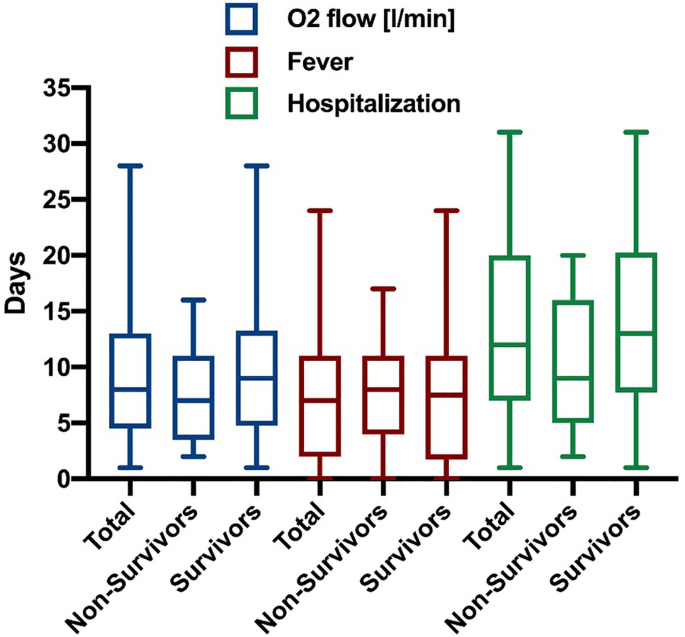
Clinical Course Of Covid-19 Patients Needing Supplemental Oxygen Outside The Intensive Care Unit Scientific Reports

The Utility Of High-flow Nasal Oxygen For Severe Covid-19 Pneumonia In A Resource-constrained Setting A Multi-centre Prospective Observational Study - Eclinicalmedicine

High-flow Nasal Cannula Versus Conventional Oxygen Therapy In Emergency Department Patients With Cardiogenic Pulmonary Edema A Randomized Controlled Trial - Sciencedirect

Administration Of Supplemental Oxygen Nejm

Impact Of Low Dose Tocilizumab On Mortality Rate In Patients With Covid-19 Related Pneumonia - European Journal Of Internal Medicine

High-flow Nasal Oxygen A Safe Efficient Treatment For Covid-19 Patients Not In An Icu European Respiratory Society
Plos One Estimating Oxygen Needs For Childhood Pneumonia In Developing Country Health Systems A New Model For Expecting The Unexpected
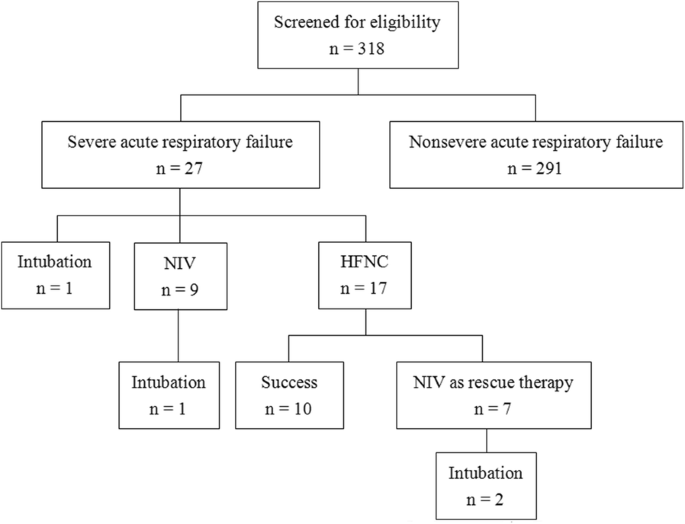
The Experience Of High-flow Nasal Cannula In Hospitalized Patients With 2019 Novel Coronavirus-infected Pneumonia In Two Hospitals Of Chongqing China Annals Of Intensive Care Full Text
Plos One Estimating Oxygen Needs For Childhood Pneumonia In Developing Country Health Systems A New Model For Expecting The Unexpected
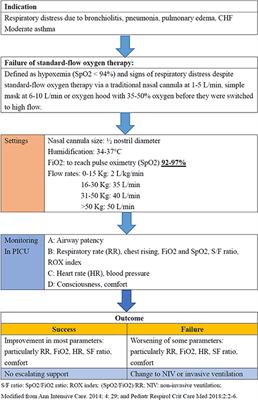
Frontiers High-flow Nasal Cannula Therapy In Children With Acute Respiratory Distress With Hypoxia In A Pediatric Intensive Care Unita Single Center Experience Pediatrics
Effect Of High-flow Nasal Cannula Versus Conventional Oxygen Therapy For Patients With Thoracoscopic Lobectomy After Extubation


High-flow Noninvasive Ventilation And Awake Nonintubation Proning In Patients With Coronavirus Disease 2019 With Respiratory Failure - Chest

The Utility Of High-flow Nasal Oxygen For Severe Covid-19 Pneumonia In A Resource-constrained Setting A Multi-centre Prospective Observational Study - Eclinicalmedicine

Bubble Continuous Positive Airway Pressure For Children With High-risk Conditions And Severe Pneumonia In Malawi An Open Label Randomised Controlled Trial - The Lancet Respiratory Medicine

Pneumonia Bipap Secretions And Hfnc New Lessons From Florali
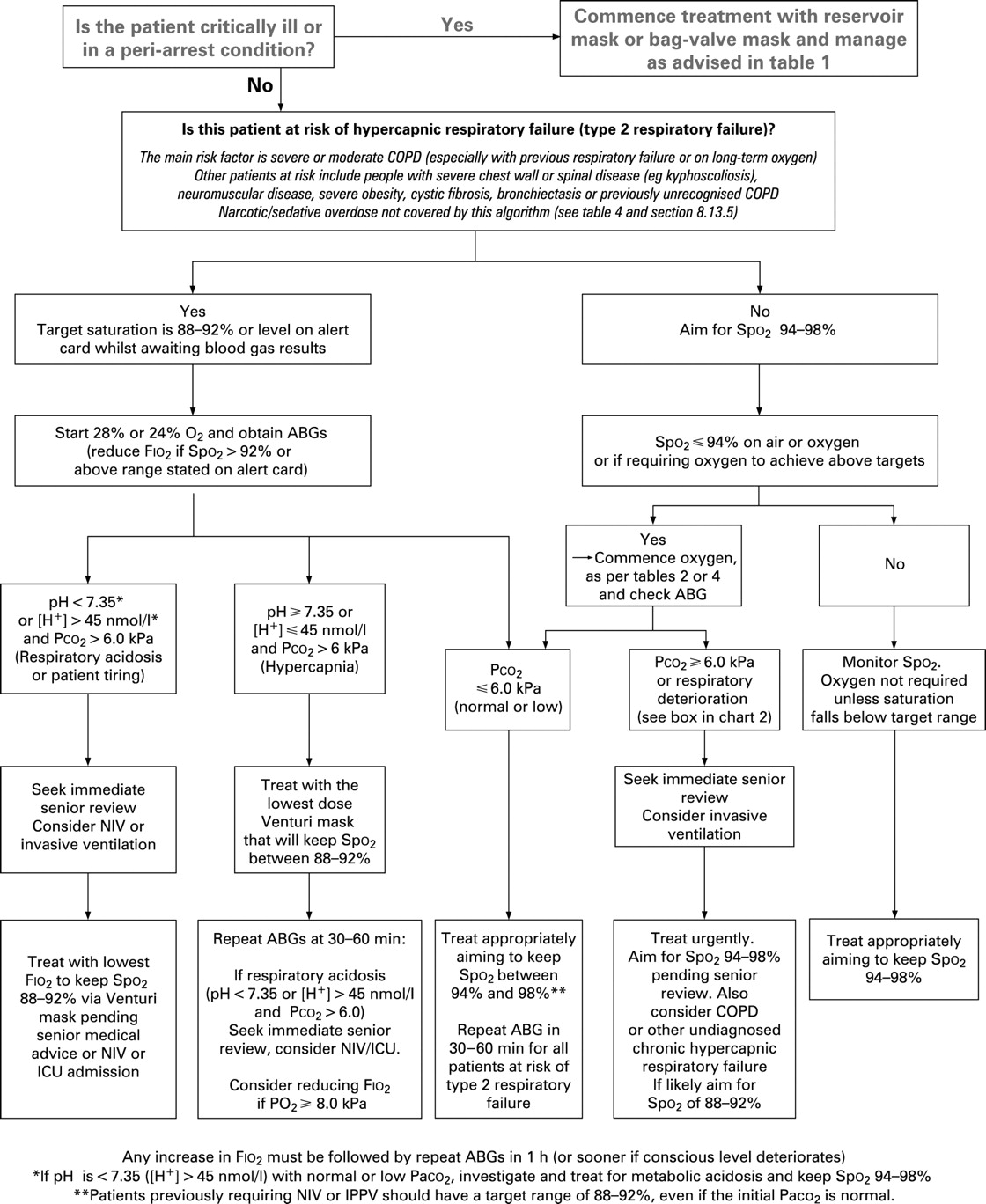
Bts Guideline For Emergency Oxygen Use In Adult Patients Thorax
Plos One Estimating Oxygen Needs For Childhood Pneumonia In Developing Country Health Systems A New Model For Expecting The Unexpected